Fox Hill

Fox Hill

£208,045 of £420,000 goal
155 days remaining

We have an unmissable opportunity to buy a 58-acre plot of land in Cheshire’s Peak District. Nestled in the heart of the Todd Brook Valley sits Fox Hill – a site with extraordinary potential and a vital piece of the puzzle to secure the valley’s wild future. 

Fox Hill sits adjacent to Aldred’s Lea Nature Reserve and just 300m as the crow flies from Greenbooth Nature Reserve. Buying Fox Hill would mean that 118 acres of land in the area would be in our care, connected and protected for nature to recover. 

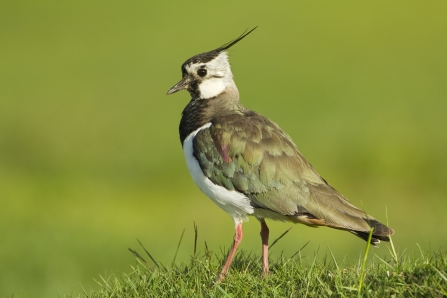
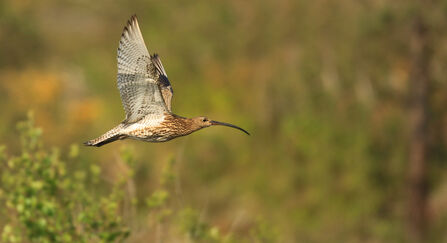
Over the last few decades, much of this area's extraordinary biodiversity has been lost. There have been marked declines in curlewlapwing and golden plover. We need your help to bring these struggling species back to the Todd Brook Valley and beyond.

We can’t miss this opportunity.

To buy the site and cover initial management costs for two years will cost £420,000.  

We were left an incredibly generous legacy gift for land purchase and rewilding, part of which will contribute towards the purchase of Fox Hill. However, we urgently need to raise the remaining £250,000.

Can you help us raise the £250,000 we need before the end of September to save Fox Hill and bring wildlife back to Cheshire’s Peak District?

Donate today

Lapwing chuck

Donate £20

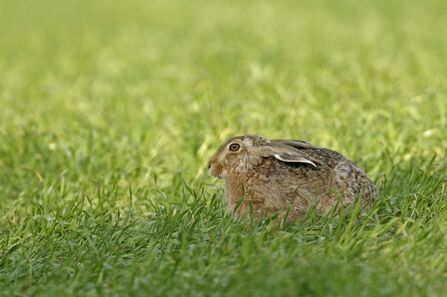
Brown hare

Donate £50

Curlew

Donate £80

#video
#photos
#ourplans

With your help, we can create more space for wildlife under threat

Over the last few decades, much of this area's extraordinary biodiversity has been lost. There have been marked declines in curlew, lapwing and golden plover. The decline in upland habitats isn't just problematic for birds, but for many other plants and animals.

We already have a plan to bring wildlife back to Fox Hill. 

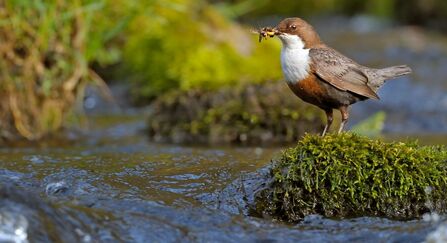
  • New pools and wetlands along the brook will improve habitats for dippers and kingfishers and help slow the flow of water.
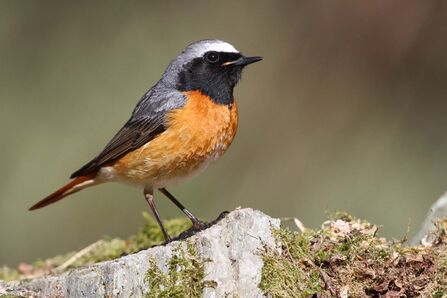
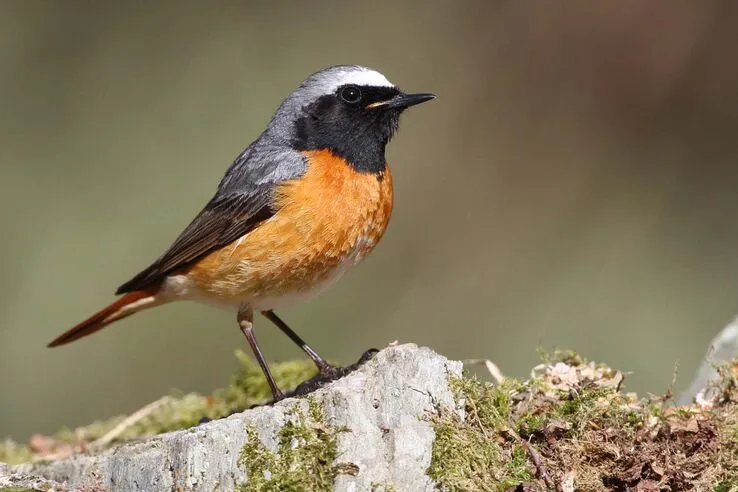
  • Creating small pockets of scrub and woodland will benefit species such as redstart.
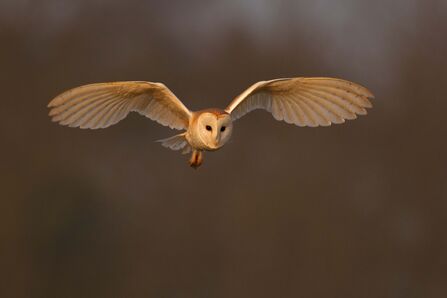
  • Relaxing the grazing regime to allow more tussocky areas of grassland to develop will help increase habitats for hunting barn owls.
  • Conservation grazing will boost botanical diversity for pollinators.  

Donate today

The Todd Book Valley

#toddbrookmap
Todd Brook Valley map (a5)

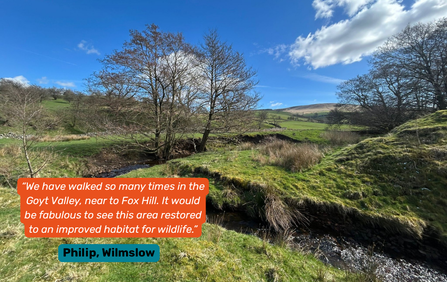
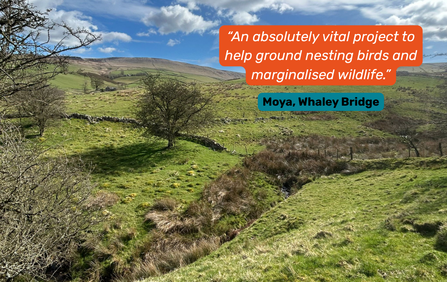
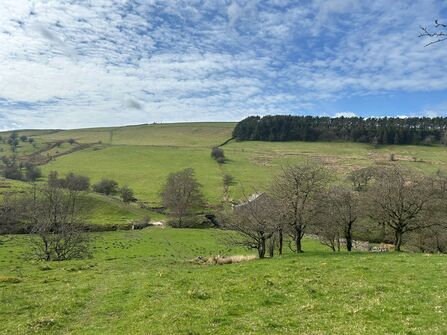
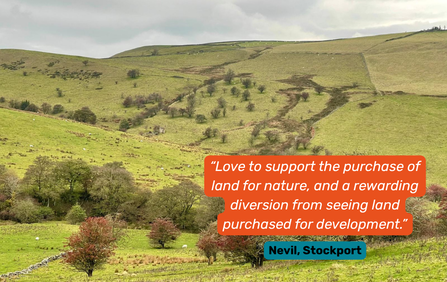
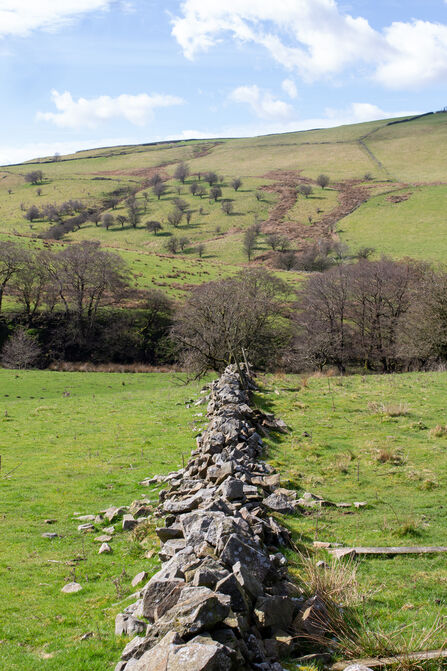
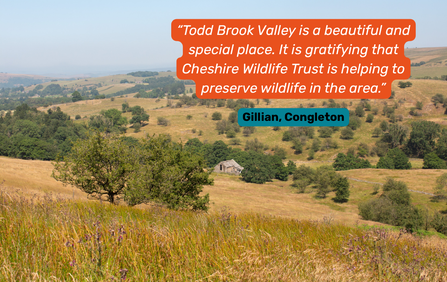
Under a wide open sky, rugged, rolling hills stretch into the distance. The Todd Brook Valley, in the heart of Cheshire’s Peak District, is a palette of tan upland, stone walls, splashes of woodland and the evergreen of grazing pasture. For all its awe-inspiring scale, the Todd Brook Valley is quiet and secluded. Nestled within it lies Fox Hill – a vital puzzle piece to secure the valley’s wild future.

Fox Hill sits adjacent to Aldred’s Lea Nature Reserve and just 300m as the crow flies from Greenbooth Nature Reserve. 

Buying Fox Hill would mean that 118 acres of land in the area would be in our care, connected and protected for nature to recover. 

Donate today

Meet Ben, Director of Nature Recovery

Ben G Fox Hill

"Every so often, I visit a piece of land that really sparks a sense of excitement. Fox Hill is one of those places. I first visited on a cold, damp day but even despite the weather, the amazing potential for wildlife was clear. By adding Fox Hill to the land that's already in our care we can give struggling species more space to roam, rest and recover. With your help, we can turn Fox Hill into a thriving nature reserve brimming with life.

Please donate today and help us secure a wild future for Fox Hill".

Donate today

#findoutmore

Find out more

What is the cost?

To buy the site and cover initial management costs for two years will cost £420,000.  

We were kindly left a legacy gift for land purchase and rewilding. This allowed us to buy our two newest nature reserves, Picton Pastures, near Frodsham and Aldred’s Lea, which sits adjacent to Fox Hill. The remainder of this incredibly generous legacy will contribute towards the purchase of Fox Hill. 

We have secured a loan from a charitable trust. We urgently need to raise £250,000 to pay back the loan secure the land and bring Fox Hill into our care.  

Donate today

Find out more about Gifts in Wills

What happens if we don't reach our target by the deadline?

If we don’t raise all the funds by 30th September we will extend our borrowing and fundraise over a longer period of time to pay back the loan.  

Donate today

What will happen if we exceed our target?

Funds raised by this appeal will be used for the purchase and restoration of the land at Fox Hill. If we raise more than the money needed, donations will support the acquisition of more land to help nature recover in Cheshire.

Donate today

What will my donation be used for?

Funds raised by this appeal will be used for the purchase and restoration of the land at Fox Hill. If we raise more than the money needed, donations will support the acquisition of more land to help nature recover in Cheshire.

You can find out more about our plans for Fox Hill under the heading, ‘What will you be doing on the land?”.  

Donate today

What is the land like now?

Fox Hill is just over 58 acres, sitting in the Todd Brook Valley in the Cheshire Peaks. The land is 300m as the crow flies from Greenbooth Nature Reserve and sits adjacent to Aldred’s Lea Nature Reserve. The land consists mainly of upland grazing pasture, previously farmed in separate fields and subdivided by internal stone walls, but now farmed and grazed as one.  

To the untrained eye, this is a breathtaking landscape, however, over the last few decades, much of the biodiversity has been lost due to changes in agricultural management, drainage of peatlands and habitat loss. There have been marked declines in moorland birds like curlew, lapwing and golden plover, but in the right hands, we know this land can be enhanced to support more wildlife.

Donate today

What will you be doing on the land?

Over the next five years we will restore the land to create a mosaic of wildlife habitats including: 

  • Enhancement of 50 acres of neutral grassland.
  • Enhancement of 0.7km of Todd Brook.
  • Creation of 30 acres of low density planted woodland.  

As a result: 

  • Botanical diversity will increase across the site, benefitting invertebrates such as bees, butterflies, moths & hoverflies. Water will naturally become cleaner across the site through a series of newly created pools and areas of wetlands along the course of the brook that will benefit a range of amphibian species.
  • An increase in tree cover on appropriate parts of the land will give direct benefits to species reliant on trees in the landscape, such as redstart and pied flycatcher. The scattered planting will also contribute to slowing the flow of water entering into Todd Brook.
  • We will own another ‘stepping stone’ in Cheshire’s Peak District, building further on our existing nature reserves in the area and areas owned by third parties where we have involvement in project-based work, for example our Pollinating Cheshire and Curlew Recovery Projects.  

By working with more landowners and acquiring more land ourselves, we can help achieve our vision for nature recovery in the Cheshire's Peak District

Donate today

What species will benefit?

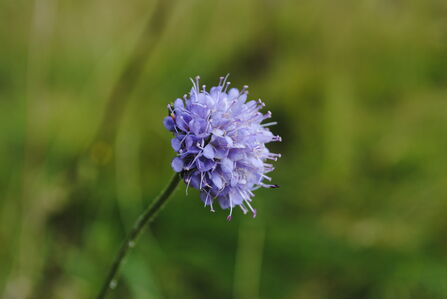
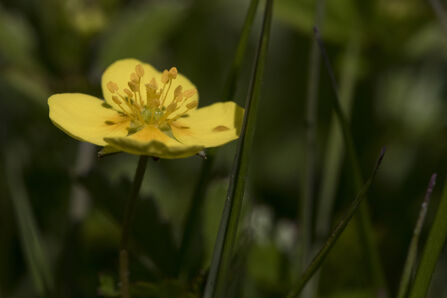
Some species have been confirmed at Fox Hill such as lapwing (seen on the land but no confirmed breeding), brown hare, tormentil, heath milkwort, devil's bit scabious and bitter vetch. 

Over the last few decades, much of this area's extraordinary biodiversity has been lost. There have been marked declines in curlewlapwing and golden plover. The decline in upland habitats isn't just problematic for birds, but for many other plants and animals.

We already have a plan to bring wildlife back to Fox Hill.

  • New pools and wetlands along the brook will improve habitats for dippers and kingfishers and help slow the flow of water.
  • Creating small pockets of scrub and woodland will benefit species such as redstart.
  • Relaxing the grazing regime to allow more tussocky areas of grassland to develop will help increase habitats for hunting barn owls.
  • Conservation grazing will boost botanical diversity for pollinators. 

Botanical diversity will increase across the site, benefitting invertebrates such as bees, butterflies, moths & hoverflies. Water will naturally become cleaner across the site through a series of newly created pools and areas of wetlands along the course of the brook that will benefit a range of amphibian species.   

An increase in tree cover on appropriate parts of the land will give direct benefits to species reliant on trees in the landscape, such as redstart and pied flycatcher. The scattered planting will also contribute to slowing the flow of water entering into the Todd Brook.

Donate today

How does this fit into our wider work?

To help combat the nature and climate crises, we’re working hard with others across the region contribute to the UK wide goal of ensuring 30% of land and sea is managed for nature by 2030.  The purchase of this land and planned habitat creation will take us one step closer to this goal. 

This 58-acre plot of land is nestled in the Todd Brook Valley in the Cheshire Peaks. Our first acquisition in this area was Greenbooth, closely followed by Aldred’s Lea and we’ve now identified an unmissable opportunity to further increase the area of land that we can secure for wildlife.  Purchase of this land will mean that over 118 acres of land in Todd Brook Valley is within our nature reserves, managed and protected for nature in perpetuity.  

We will own another ‘stepping stone’ in Cheshire’s Peak District, building further on our existing nature reserves in the area and areas owned by third parties where we have involvement in project-based work, for example our Pollinating Cheshire and Curlew Recovery Projects.  

By working with more landowners and acquiring more land ourselves, we can help achieve our vision for nature recovery in the Cheshire's Peak District. 

Donate today

Does buying more land for nature threaten food security?

Buying land for nature doesn’t threaten UK farming or food security. Most conservation projects focus on low-yielding or marginal land, leaving productive farmland untouched. In fact, restoring natural habitats benefits agriculture by supporting pollinators, improving soil health, and protecting crops from floods and droughts.  

By investing in nature, we strengthen both the environment and the resilience of our food system—creating a win-win for people and the planet. 

Donate today